Source Voip Phone Expansion Module for Office, Hotel, and School
Explore 30 available options for the voip phone expansion module suitable for office, hotel, and school environments. Buyers can compare specifications, conditions, and pricing to find the right solution for their communication needs; compare the available evidence and request quotations based on your requirements.
Key considerations
Products List






Comprehensive Sourcing Guide
VoIP Phone Expansion Module Sourcing Guide
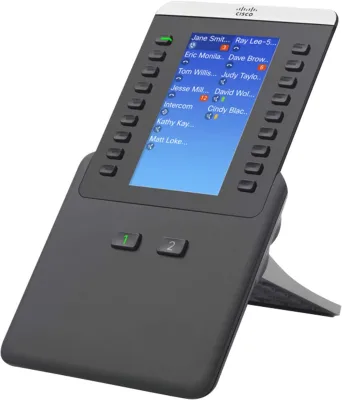
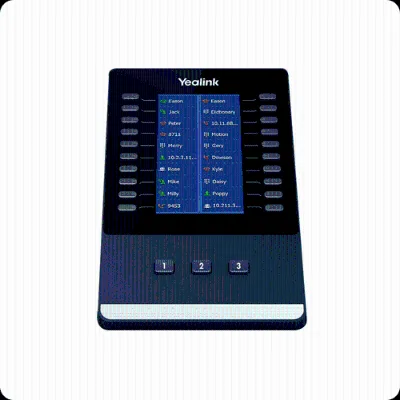
Procuring VoIP phone expansion modules requires distinguishing between core communication units and peripheral hardware designed to extend functionality. The market presents a mix of dedicated expansion modules, such as the Yealink EXP43, and broader network interface cards like the Cisco C9300-NM-8X=, which serve different integration needs. Buyers must first clarify whether the requirement is for additional line keys, display expansion, or network port density to ensure the selected component matches the existing telephony infrastructure.
The observed product landscape includes items ranging from used units to 100% original brand new stock, often originating from China with specific packaging standards. While some listings describe general VoIP phones with features like video calling and SMS, the specific expansion modules focus on connectivity and interface expansion. Understanding the distinction between a standalone phone and an expansion module is critical, as the latter typically lacks independent power or display capabilities and relies on a host device for operation.
Product Scope and Observed Listing Signals
Buyers should scrutinize product titles and descriptions to confirm the item is an expansion module rather than a complete phone system. Listings for the Yealink EXP43 and Cisco C9300-NM-8X= indicate specific hardware types, whereas generic entries mentioning "Video Phone" or "VoIP Phone" may refer to the main unit. It is essential to verify that the product supports the specific protocol, such as SIP, and the network interface, like RJ45, required for the intended expansion scenario.
The condition of the hardware varies significantly, with available options including used units and new stock labeled as 100% original brand. Packaging details, such as carton boxes or standard boxes, and dimensions like 25x20x10 cm for specific models, provide clues about the product's physical nature. Buyers must ensure the listed weight and single package size align with shipping expectations and that the product is not a mislabeled general-purpose device.
Technical Specifications to Verify
Technical verification must begin with the model number and compatibility with the host system. Specific models like the C3850-NM-2-10G or CP-8800-V-KEM= represent distinct hardware configurations that may not be universally interchangeable. Buyers need to confirm the operating system, such as Android 4.2.2 for certain touch-enabled modules, and the transmission speed, which can range from 100Mbps to higher capacities depending on the network interface card.
Interface specifications are equally critical, including the presence of analog signal interfaces with 2-channel input and output capabilities. The physical shell material, often ABS, and protection levels like IP20 determine the durability and environmental suitability of the module. Additionally, the input voltage range of 9-18V must match the power supply of the host device to prevent electrical damage or operational instability during deployment.
Compliance and Safety Documentation
Compliance verification is mandatory for any hardware entering a professional environment, with certifications like RoHS and CE being common indicators of regulatory adherence. Some listings also reference ISO standards, which suggest a broader quality management system, though buyers should request specific test reports to validate these claims. The absence of these certifications in a listing should trigger a request for documentation before proceeding with any purchase.
Safety standards also extend to the physical construction and electrical safety of the device. The product standard dimensions, such as 60x50x20 cm or 6x5x5 cm, often correlate with specific safety testing protocols for enclosure integrity. Buyers must ensure that the listed protection levels and material compositions meet local safety regulations, particularly regarding fire resistance and electrical insulation, to avoid liability issues in the workplace.
Cost Drivers and Commercial Terms
Pricing in this sector is influenced by the condition of the hardware, with used units typically commanding lower prices than new, 100% original brand items. The observed price range of 0.01 to 2000 USD reflects this disparity, but buyers should be wary of prices that seem abnormally low, as they may indicate counterfeit or non-functional components. The warranty period, often listed as one year for new items, is a significant factor in the total cost of ownership and risk mitigation.
Commercial terms such as Minimum Order Quantity (MOQ) and customization availability also drive the final cost structure. While some suppliers offer customization, others may have strict MOQs ranging from 1 to 200 units, affecting the unit price through economies of scale. Buyers should negotiate based on the total volume required and the specific need for custom configurations, ensuring that the final agreement includes clear terms for returns and replacements in case of defects.
Supplier Qualification and Quality Control
Supplier qualification requires a thorough review of the product origin and the supplier's ability to provide consistent quality. Most observed listings indicate an origin in China, with specific locations like Beijing mentioned for certain products. Buyers should verify the supplier's track record in handling sensitive electronic components and their ability to maintain the integrity of the product during shipping, especially for items with specific packing requirements like carton boxes.
Quality control processes must be validated through the supplier's ability to provide detailed product information and test results. The presence of specific attributes like "Data" content or "Wireless" functionality suggests a need for rigorous testing protocols to ensure performance consistency. Buyers should request evidence of quality control measures, such as pre-shipment inspections or factory audits, to confirm that the delivered modules meet the specified technical and safety standards.
Long-Term Procurement Checks
Long-term procurement success depends on establishing a reliable supply chain for spare parts and future expansions. Buyers should prioritize suppliers who offer consistent stock levels for critical models like the Yealink EXP43 or Cisco expansion cards to avoid downtime during system upgrades. The availability of customization and support for specific network protocols ensures that the procurement strategy remains flexible as technology evolves.
Regular audits of the supply chain are necessary to maintain compliance and quality standards over time. Buyers should monitor changes in certification status, such as updates to RoHS or CE compliance, and verify that the supplier continues to meet these requirements. Establishing a clear communication channel for technical support and warranty claims ensures that any issues with the expansion modules can be resolved quickly, minimizing operational disruption.
FAQs
What certifications do voip phone expansion modules have?
These modules typically carry RoHS and CE certifications to ensure compliance with safety and environmental standards. Some products may also include ISO certification depending on the manufacturer. Buyers should verify specific documentation for each unit to confirm regulatory adherence before procurement.
Can I find customized voip phone expansion modules?
Yes, customization is available for many voip phone expansion modules to meet specific business requirements. Buyers can request tailored features or specifications while ensuring the product remains compatible with existing systems. This flexibility allows for unique integration needs without compromising core functionality.
Which models are available for voip phone expansion modules?
Available models include C9300-NM-8X=, C3850-NM-2-10G, and Yealink EXP43 among others. These units support various functions like video calling and SMS. Each model offers distinct specifications such as network interfaces and operating systems to suit different enterprise communication environments effectively.
How are voip phone expansion modules packaged for shipping?
Modules are commonly packed in carton boxes or standard boxes to ensure safe transport. Packaging dimensions vary by model, with some measuring 25x20x10 cm. Proper packing protects the device during transit and helps maintain the condition of the product upon arrival at the destination.
What is the warranty period for these modules?
A standard warranty of one year is often provided for these voip phone expansion modules. This coverage protects against manufacturing defects and ensures reliability for business operations. Buyers should check specific terms for each supplier to confirm the exact duration and scope of the warranty included.
Can I use these modules with existing network infrastructure?
Yes, these modules support Ethernet networks and SIP protocols for seamless integration. They are designed to work with various devices including servers and workstations. The RJ45 network interface ensures compatibility with standard enterprise setups without requiring complex additional hardware configurations.
What is the origin of these voip phone expansion modules?
Most units originate from China, with specific production locations like Beijing. This origin influences shipping logistics and lead times for international buyers. Understanding the source helps in planning procurement schedules and managing expectations regarding delivery timelines and potential customs requirements.